
When the only plan is to call later
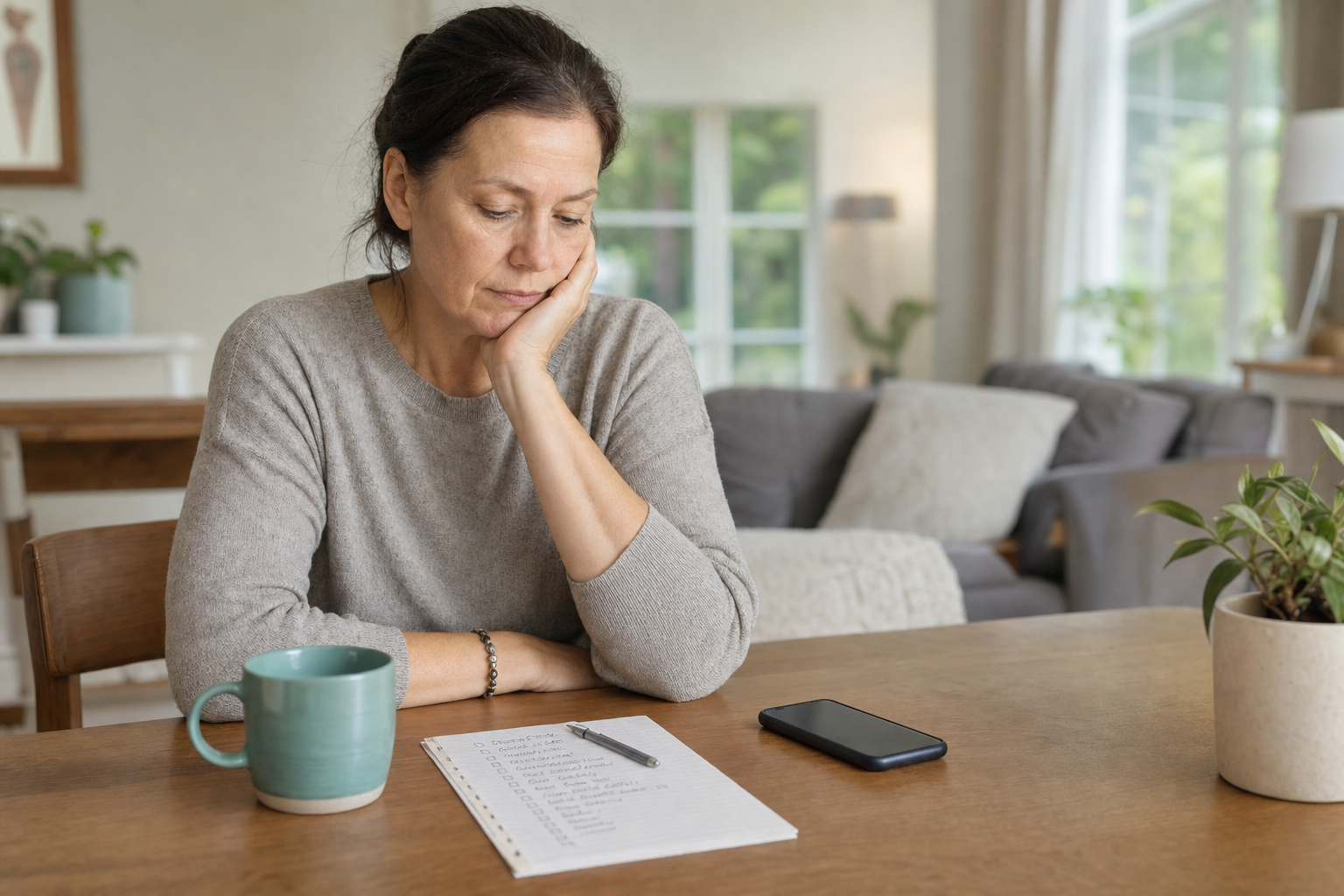
You meant to call Tuesday. Work ran long. Wednesday you sent a text. Friday you finally dialed and they said they were fine, but you still do not know if the morning medications were taken. Sunday night the worry returns.
Worry grows in uncertainty. When the only plan is "I will call when I can," silence means you are guessing again. Families do not need more pressure to be perfect. They need a rhythm that runs even when a meeting goes late.
Scheduled outbound calls, not another app
Phone check-ins flip the model. Instead of waiting for you to remember, Kinse places a call at the times you choose in their timezone. Essentials includes 3 check-ins a week. Everyday includes up to 7. The person receiving care does not open an app, create a login, or wear something new. They answer any phone, even a landline.
On the call, pacing matters. Cora, Kinse's voice, asks one thing at a time. A check-in stays on how they are doing. A medication reminder is its own short call that names the medicine. Kinse does not fold those into one ring.
What you see after the call
After the call, there is less to guess about. You get a short summary, which medications were taken, missed, or refused on a reminder call, and any alert that needs a person. A sibling who can only read sees the same summary. You are not rebuilding the day from memory, and you are not the only person holding the story.
Kinse is not an emergency service or a clinician. It does not store a recording of the call. It is the phone schedule that runs when a meeting goes late.
If the week already feels heavy, start with two check-in days and one medication time. Let the calls run for a week. Then invite one helper who can read the summary. A small schedule beats heroic calling.