

What mental load feels like
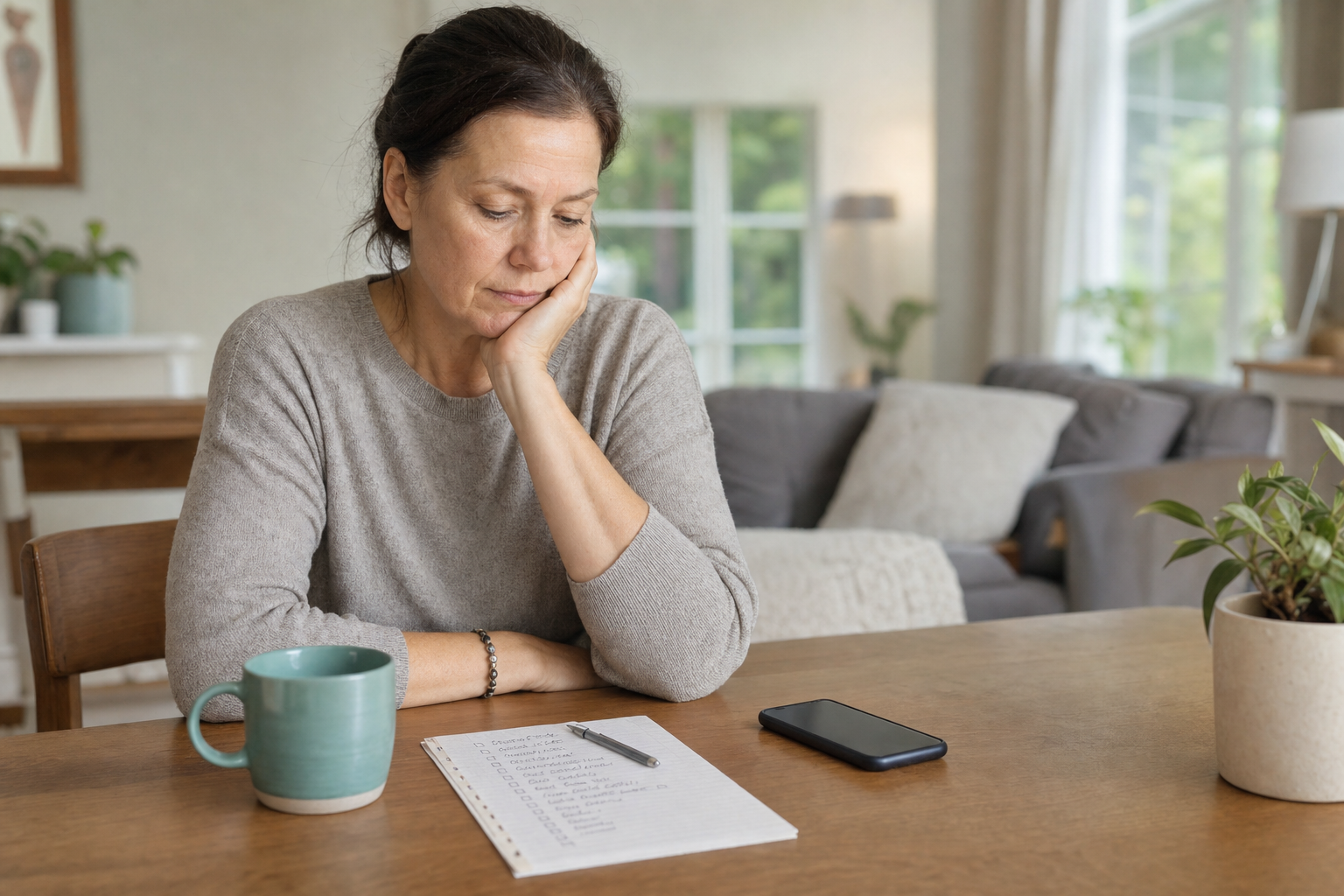
Mental load feels like dozens of open loops that live in your head even when your hands are free. Did they take the evening dose? Was that cough new? Who is driving on Thursday? Did your brother hear about the pharmacy change?
Unlike a work project, the checklist never closes. There is no sprint review. There is only tomorrow morning. Families often try to manage it with group texts, fridge notes, and "I will call later." Those tools work until someone misses a thread, two people call at once, or the local sibling becomes the unpaid project manager for everyone else.
Why updates drift across the family
Updates drift because the information will not stay in one place. Researchers who review informal caregiver studies keep finding the same strain: about half report significant burden, and about one in three report depression (Archives of Gerontology and Geriatrics Plus, 2025).
Mental load grows when updates drift. You know one version of the day. Your sister knows another. A long-distance sibling fills the gaps with worry. By the weekend, the family is arguing about decisions nobody saw coming, or duplicating work that was already done.
Three things that lighten the load
Three things lighten the load. First, phone check-ins on days you choose, so the rhythm does not depend on who remembered to call. Second, medication answers that are spoken and written down, not assumed. Third, a care team with clear permissions, so everyone who should know reads the same short summary and only some helpers can change the schedule.
Kinse is designed for that shape of work. You pick the days. Kinse makes the phone check-ins and the medication reminder calls. Cora asks one thing at a time. The summary comes back to the care team. You can invite people and choose who can change the schedule and who can only read, so the nearest person is not the only source of truth.
Naming the mental load matters. When you can point to the open loops, you can move some of them into a system. That is how families share care without turning every evening into a status meeting.