

What does aging in place mean?
Aging in place means growing older in your own home, or at least your own community, instead of moving to a care facility. It usually takes some planning, like grab bars, rides to appointments, help with groceries, and someone who knows how you are.
For many families, it starts with a sentence like "I'm not leaving this house." It's a fair thing to want. The house holds the garden, the neighbors, and 50 years of habits. Then the family has to work out what needs to change so they can stay.
How many people want to stay at home?
Most of them. AARP's 2024 Home and Community Preferences Survey found that 75% of adults 50 and older want to stay in their current home as they get older. It found that 73% want to stay in their community.
That wish often lasts longer than the house was designed for. Stairs can become harder, driving may stop, and the person who cooked might not be there anymore. Many people still do well at home for years with some help, as long as the help fits how they live.
Why is Goal 11 only close to our work?
Goal 11, Sustainable Cities and Communities, is about the places people live, including housing, transport, and public spaces. Two of its targets name older persons. Target 11.2 is about transport, and 11.7 is about public spaces. Kinse doesn't build any of that, so we count Goal 11 as close to our work.
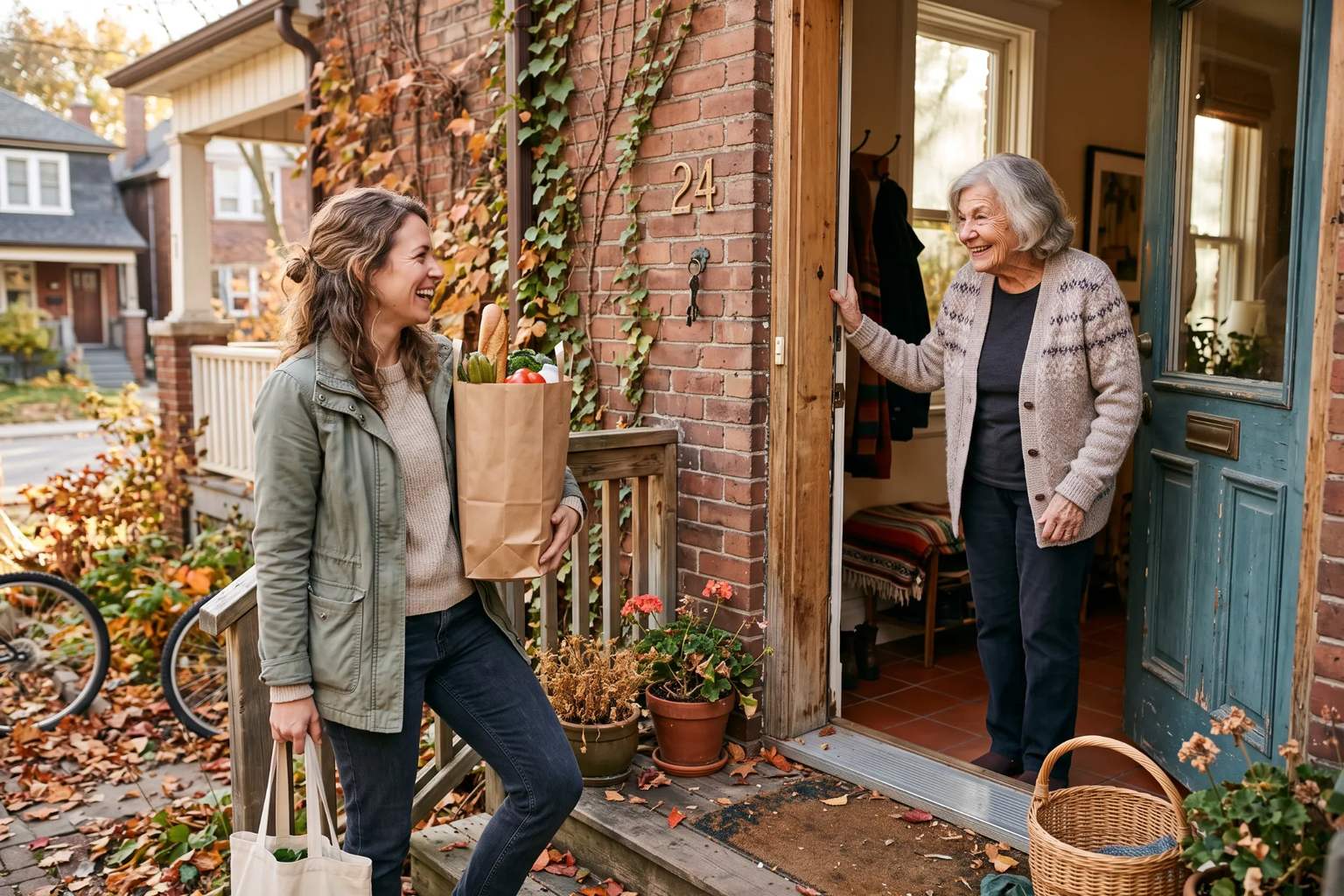
Aging at home depends on things like these. A bus stop nearby, a park with benches, or a neighbor who brings groceries can decide whether someone gets out and sees people. City planners, local governments, and neighbors make this possible, and we don't want to take credit for their work.
What is the UN Decade of Healthy Ageing?
It's a plan for later life, led by the World Health Organization from 2021 to 2030. It aligns with the last 10 years of the UN Goals. Its aim is "to improve the lives of older people, their families, and the communities in which they live."
The Decade has four action areas: age-friendly environments, combatting ageism, integrated care, and long-term care. In simpler terms, this means places that work for older people and fewer assumptions about what they can do. It also means coordinated health care and support for people who need daily help.
The World Health Organization says long-term care helps people who can no longer care for themselves "live with dignity." That idea is important to us. At home, dignity often means small things, like someone asking how your day went.
Where does a phone call fit?
A phone call plays a small part in it. The Decade's work is mainly for governments, health systems, and communities. A phone call can't make a home age-friendly or provide long-term care, but it can give someone living at home a conversation and reminders when they want them.
A check-in is a phone conversation with Cora that lasts up to 10 minutes. Cora asks one thing at a time and remembers what they said last time. Short reminder calls can cover medication, meals, and routines. Add any upcoming appointment, like the eye doctor or lunch with a friend, and Cora mentions it on calls in the days before.
You can also schedule a short call about an hour before the appointment. Nothing in the house needs to change. They answer the phone they already have, and you can read a summary after each call in the Kinse app.
What happens if they don't answer?
Cora tries once more a few minutes later. If Cora still can't reach them, you get an alert in the Kinse app, by email, or by push notification. Often, the phone is just in another room. The alert lets you check in instead of worrying all day.
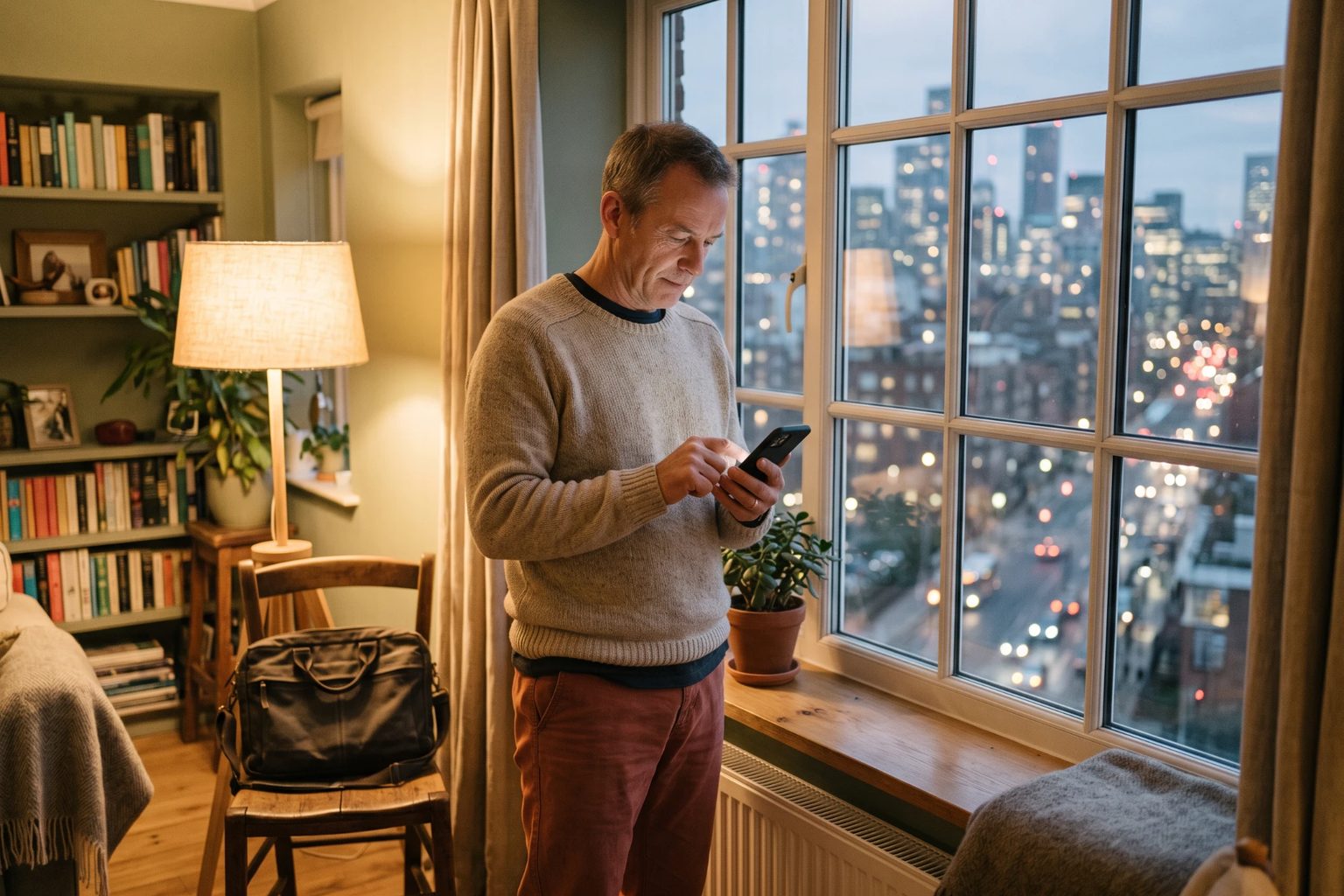
For example, say your mother lives alone three hours away and misses Cora's morning call. You get the alert and try calling her yourself. If she doesn't answer, you call the neighbor with the spare key, the one you agreed on months ago.
If she mentions a fall or chest pain during a call, Cora tells her to call 911, and you get an alert. Kinse can't detect a fall. There's no camera or sensor, and it only knows what she says during the call.
When is a phone call not enough?
When someone needs help through the whole day, not just at a few set times. Think of repeated falls, wandering, a stove left on, or confusion a short call can't catch. Then it's time for more help at home, and a talk with their doctor.
That extra help might be a home health aide, an adult day program, a wearable medical alert, or moving to a place with more care. Choosing more care when it's needed is part of aging well. Cora can keep calling alongside these supports.
Kinse isn't a doctor, a nurse, or 911, and it doesn't send anyone to the house. It's a phone call at the times you choose, with a summary afterward.
How we wrote this guide
This guide was written by Anthony Awoyele, a gerontologist and the founder of Kinse. The home and community figures come from the AARP Home and Community Preferences Survey, 2024. The Goal 11 targets come from the UN Department of Economic and Social Affairs, and the Decade details come from the World Health Organization.
We checked the wording and the figures on November 16 and 17, 2026. The Kinse details describe how calls work today.
The content of this post has not been approved by the United Nations and does not reflect the views of the United Nations or its officials or Member States.