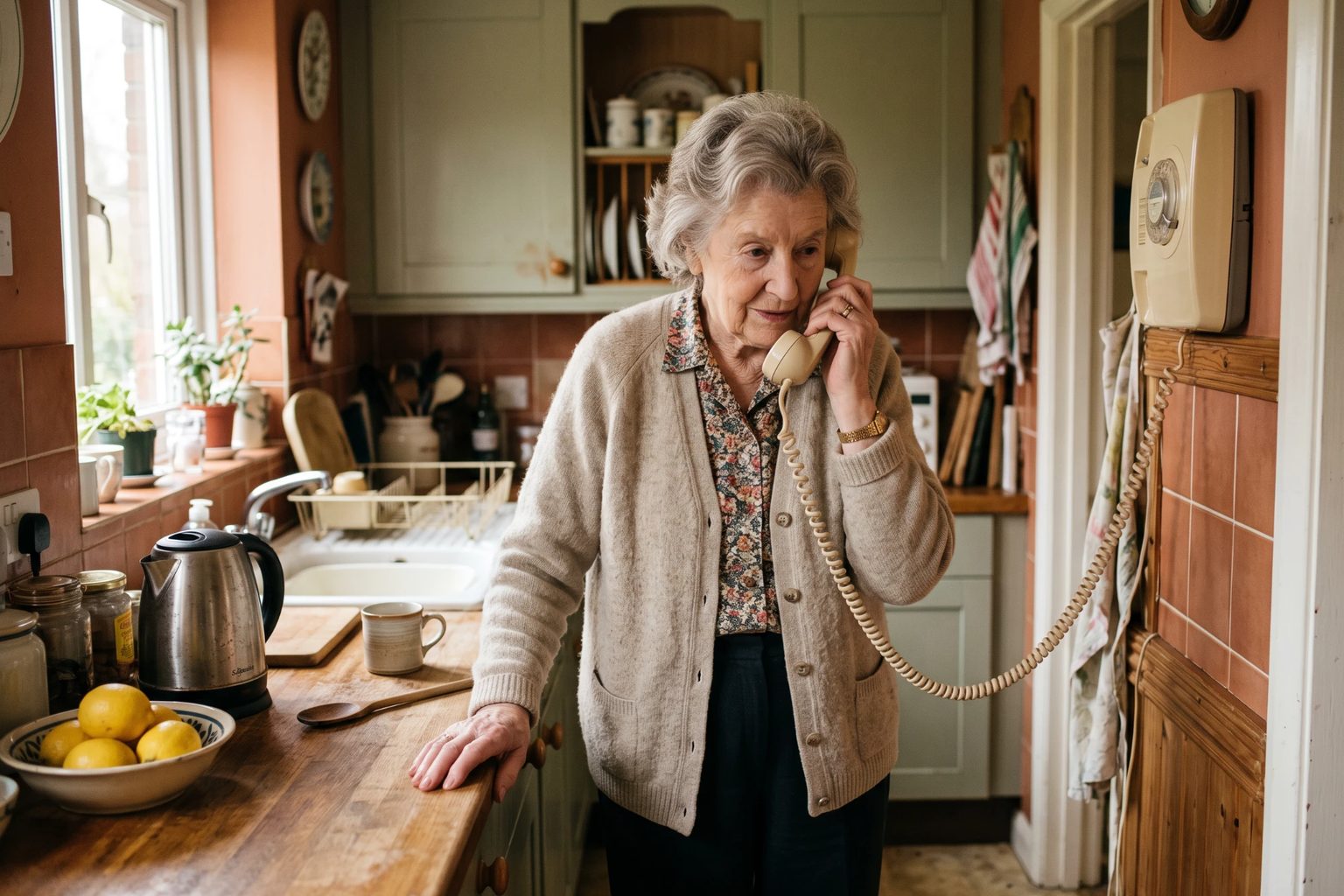


What does UN target 5.4 ask for?
Target 5.4 asks countries to treat unpaid care at home as real work. It reads: "Recognize and value unpaid care and domestic work through the provision of public services, infrastructure and social protection policies and the promotion of shared responsibility within the household and the family as nationally appropriate."
Target 5.4 is part of Goal 5, Gender Equality. Most of Goal 5 deals with laws, violence, and equal rights, which isn't our focus. Target 5.4 is about who provides care at home.
This target has two parts. The first is about public services and social protection, like care programs and support for caregivers, which governments provide. The second is about sharing responsibility within the household and family. Families can work on that part, and that's what this post is about.
Who does most of the unpaid care?
Women do most of it. The UN reports that women spend about 2.5 times as many hours as men on unpaid domestic and care work. In the US, AARP and the National Alliance for Caregiving counted 63 million family caregivers in 2025, nearly 1 in 4 adults. Three in 5 are women.
The same study found that 64% of family caregivers feel moderate to high emotional stress. Some of that stress comes from constant questions. Did she eat? Did he take his evening pills? Is the phone just in another room?
Why does the daily call fall to one person?
Usually it's because someone started making the calls, and it kept falling to them. Maybe one sibling lives closest, works from home, or happened to call when things got harder. After a few months, every question and update goes through that one person.
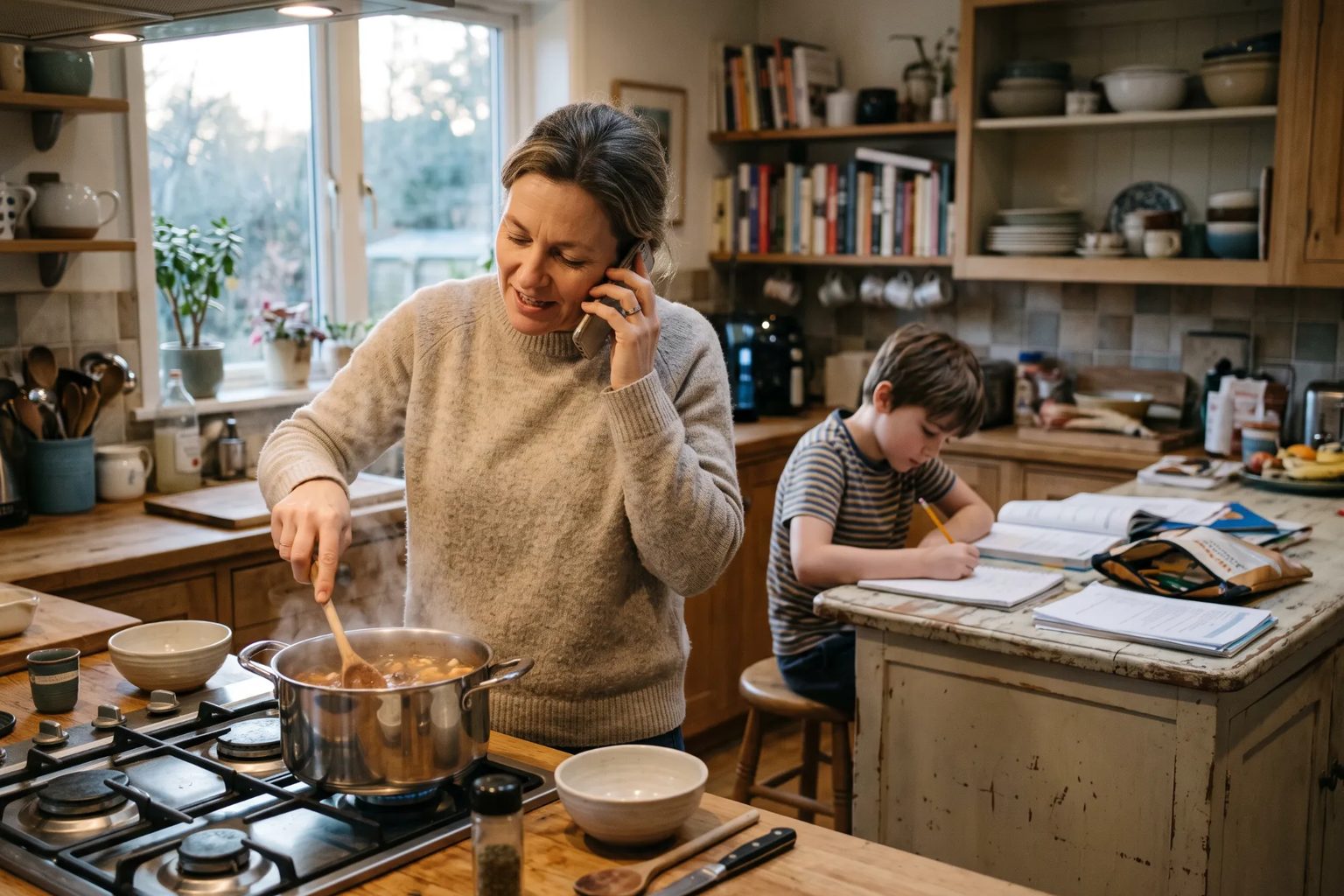
Imagine a daughter who calls her father every morning before work and again while she cooks dinner. Her brother lives three hours away and checks in with her on Sundays for updates. No one planned it this way. It just happened, and now she's the family's switchboard.
Target 5.4 calls this work, and we agree. It takes time and planning, even if each call is only five minutes. Because no one sees it, it's easy for others to forget it's happening.
What does sharing care look like in a family?
Sharing care means assigning each daily task to someone. Begin by listing what happens in a typical week, such as calls, medicine questions, appointments, and rides. Then write a name next to each task.
A brother who lives far away can still help in real ways. He might handle pharmacy refills by phone, make the Wednesday and Saturday calls, or schedule the next appointment. While he can't give rides, most phone tasks can be done from anywhere.
It's helpful when everyone has the same information. If one person has to repeat every update, the work stays with them, even if the tasks are divided.
Which part can a phone call take on?
A scheduled call can take a daily task off someone's plate. Cora calls on the days you can't, at the times you choose. After each call, everyone on the care team reads the same summary in the Kinse app, so no one needs to relay the news.

A check-in is a phone conversation with Cora, up to 10 minutes. Cora asks one question at a time and remembers previous answers. Medication reminders are shorter calls. Cora names each medicine and asks if they've taken it, and the summary shows taken, missed, declined, or unclear.
Family and friends can join the care team at no extra cost, with either view-only or edit access. If Cora can't reach them after trying once more, or if a medicine is missed or declined, you get an alert. If they tell Cora they'd like someone on the care team to call, that person gets a message in Kinse.
So the daughter in our example still calls her father. She doesn't have to make every call, and her brother can read the same summary she does on his way to work.
Is Kinse made for women?
No. Kinse is for anyone who looks after someone, and for people who set up calls for themselves. Sons, husbands, wives, grandchildren, and friends can all be part of the same care team. The UN numbers show who does most of the care today, but that's not a reason to make a product just for women.
Target 5.4 encourages shared responsibility within the family. Imagine a son making the Monday call and a granddaughter reading the summary from college. That's closer to the target than having one person do everything.
What part of target 5.4 isn't ours?
Most of it. Public services, infrastructure, and social protection are government responsibilities. Kinse doesn't pay caregivers, offer respite care, or run day programs. A phone call won't change national statistics on unpaid care.
If you're handling most of the care, contact your local Area Agency on Aging about respite care and caregiver support groups. Kinse isn't a doctor, nurse, or 911, and it doesn't provide in-home help. It's a phone call at the times you choose, with a summary afterward.
How we wrote this guide
Anthony Awoyele, a gerontologist and the founder of Kinse, wrote this guide. The wording for target 5.4 and the unpaid care hours figure come from the Goal 5 page of the UN Department of Economic and Social Affairs. The US caregiver figures come from AARP and the National Alliance for Caregiving, Caregiving in the US 2025.
We checked the wording and figures on November 16 and 17, 2026. The Kinse details explain how calls and the care team work today.
The content of this post has not been approved by the United Nations and does not reflect the views of the United Nations or its officials or Member States.