
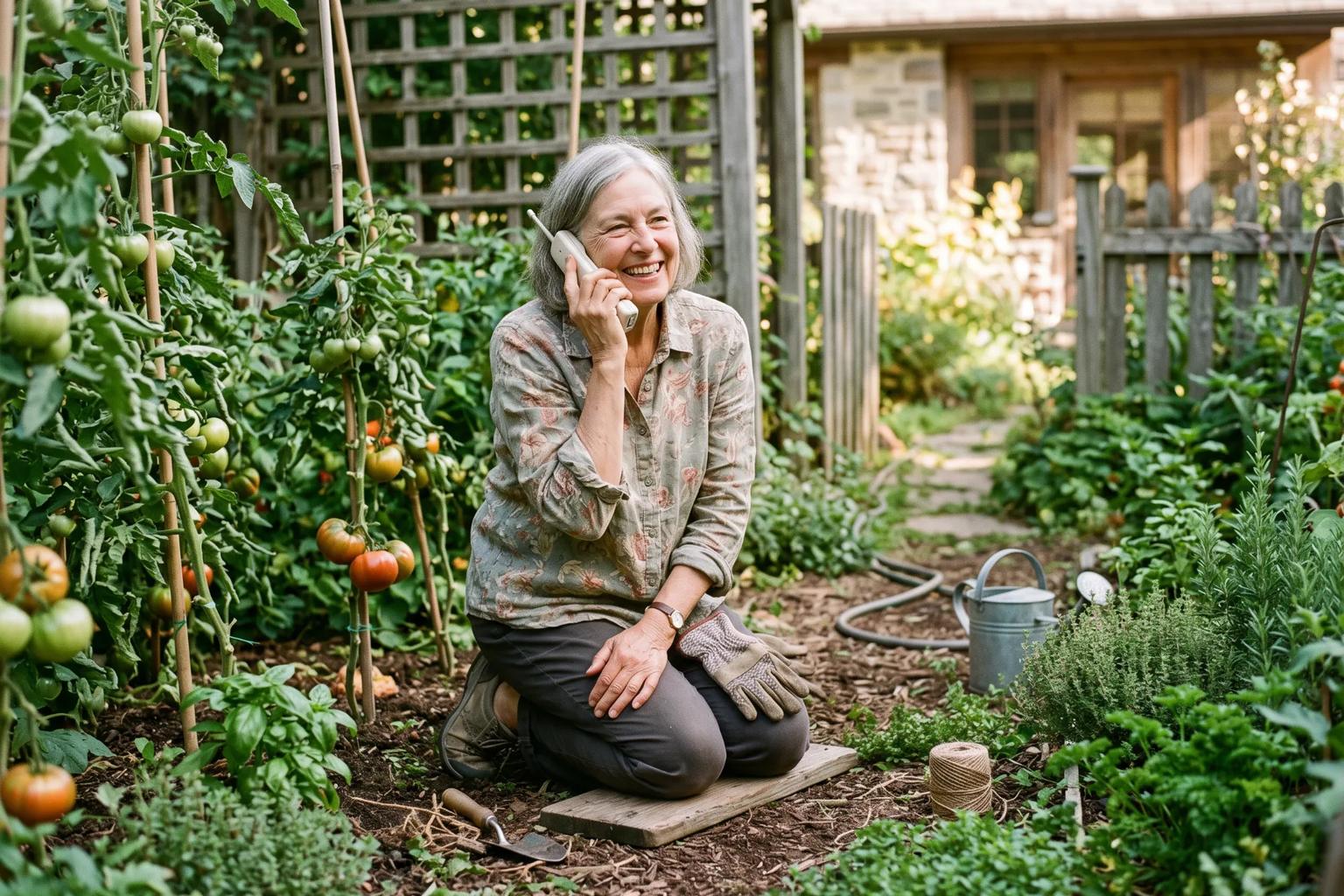
What does UN Goal 3 say?
Goal 3 is called Good Health and Well-Being. Its official aim is to "ensure healthy lives and promote well-being for all at all ages." The last three words matter most here. They mean that health in later life is just as important as health in childhood.
Most of Goal 3 focuses on health systems. It covers things like mothers and newborns, diseases such as malaria and HIV, road accidents, and access to care and medicines. Families can't do much about these issues from home.
Which part of Goal 3 touches family care?
Only part of one target applies here. Target 3.4 says: "By 2030, reduce by one third premature mortality from non-communicable diseases through prevention and treatment and promote mental health and well-being." Kinse is only involved in the last part, which focuses on mental health and well-being.
The first part is about early deaths from illnesses like heart disease, cancer, and diabetes. Preventing and treating these is up to doctors, clinics, and public health programs. A phone call can't lower anyone's risk of dying, and we don't claim that it does.
Goal 3 also includes target 3.8, which is about access to care and affordable medicines. Kinse isn't health coverage. It doesn't provide medicines, pay for them, or replace a doctor's visit.
Why does loneliness count as a health issue?
Because it's common and it can cause real harm. In 2025, the World Health Organization's Commission on Social Connection reported that loneliness affects 1 in 6 people worldwide. It estimated that loneliness plays a role in about 871,000 deaths a year.
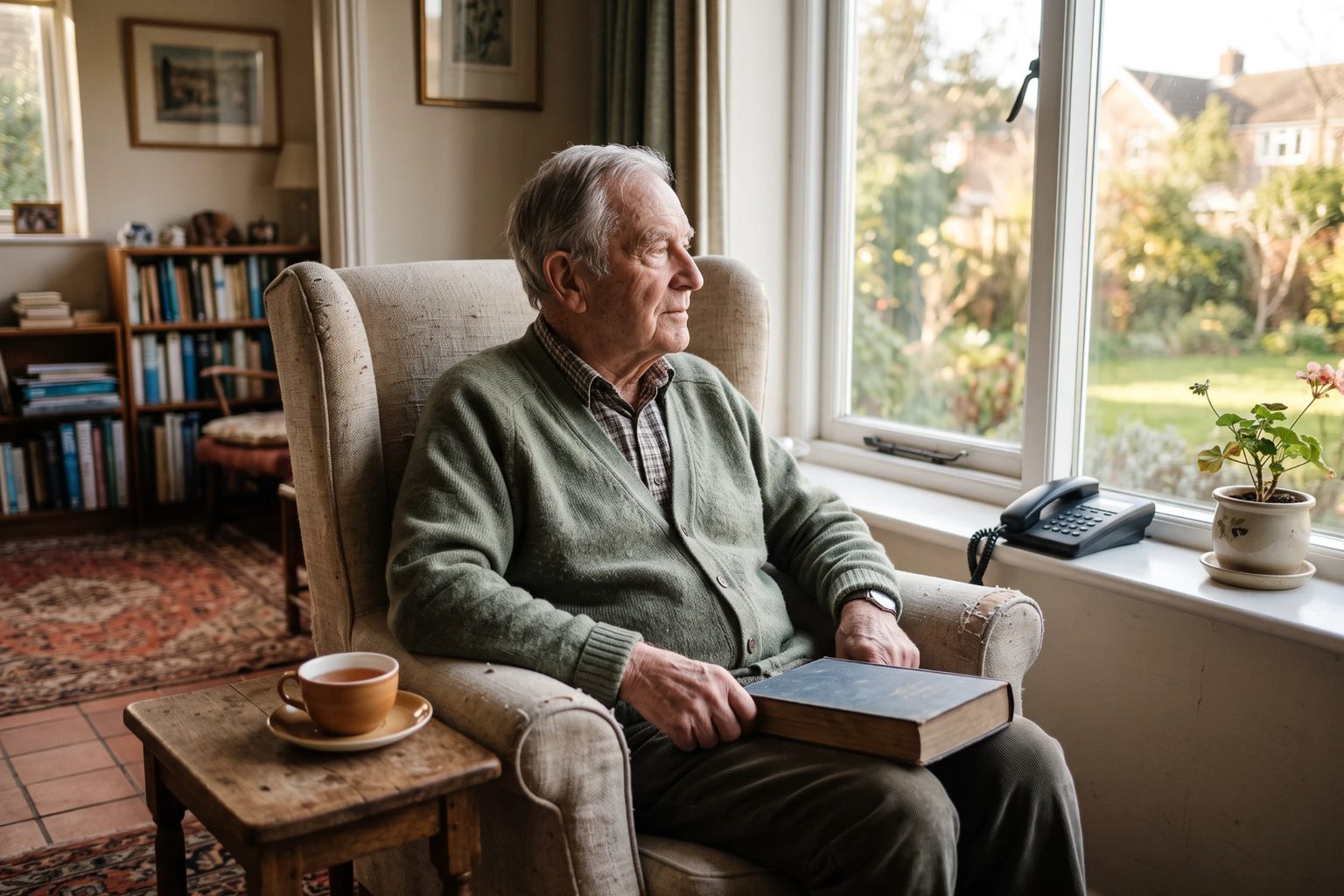
In families, loneliness often goes unnoticed. Your father might say he's fine when you call on Sunday. You don't hear about Tuesday or Wednesday, when no one called and the TV was his main company.
A phone call can't solve loneliness, and we can't promise anyone will feel less lonely. But a call can add a conversation to a day that might have been quiet, at a time the person chooses.
Where does medication come in?
For most older adults, medication is part of daily life. The CDC says that more than 4 in 10 adults aged 65 and older in the US take five or more prescription drugs. It's hard for anyone to keep that many straight, morning and night.
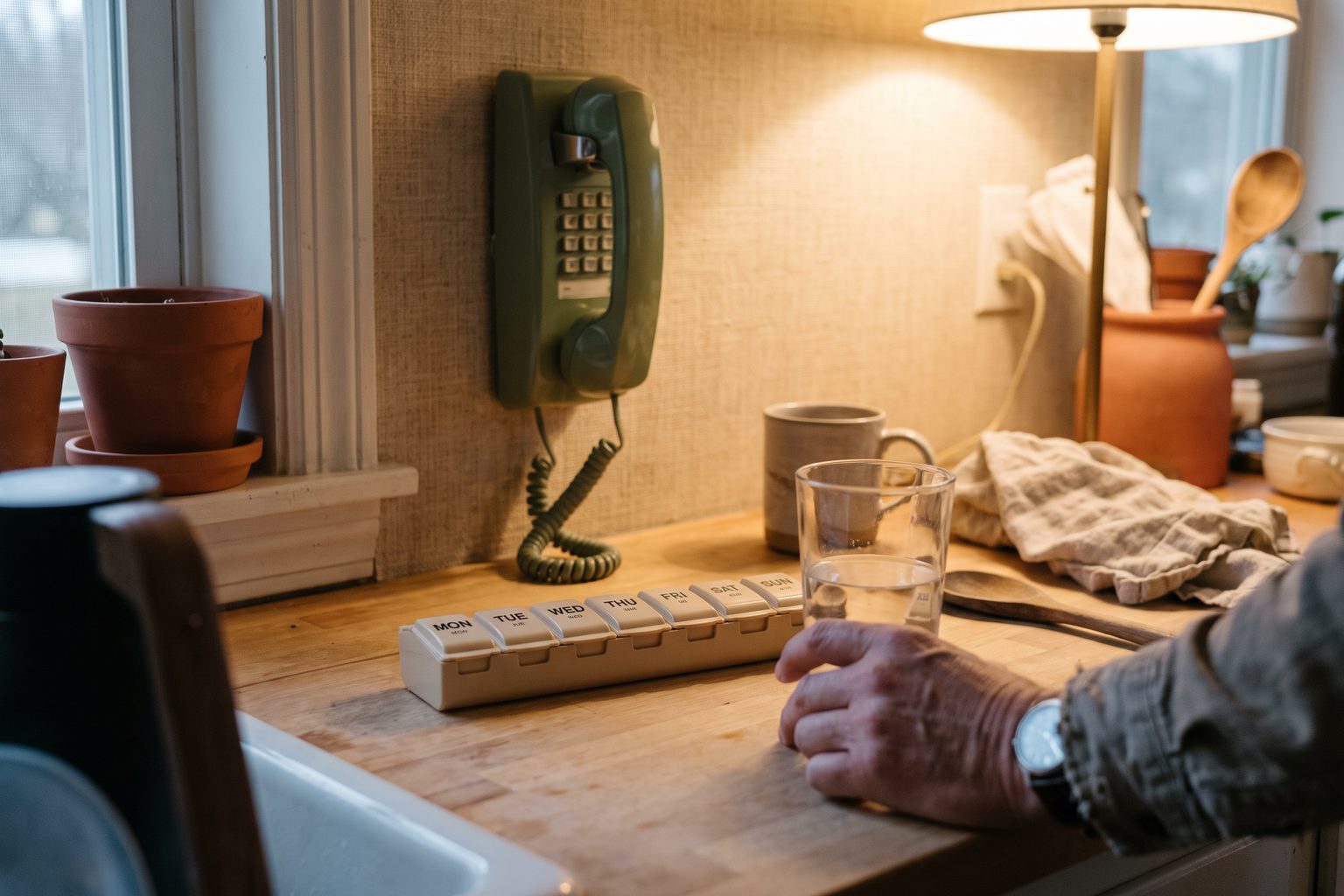
Kinse began with the grandmother of our founder, Anthony Awoyele. She lived alone, and her children and grandchildren lived in different cities, so nobody saw her day to day, and her routine started to slip. When the family visited, the time went to catching up, so the small changes were easy to miss.
Families often ask, "Did she take it?" but usually no one knows for sure. A pill organizer helps until someone forgets the day. A phone alarm helps until it gets turned off.
What happens on a Kinse check-in?
A check-in is a phone conversation with Cora that lasts up to 10 minutes, at times you choose. Cora asks one question at a time, follows their lead, and remembers what they said before. They can answer on any phone, home phone or cell, old or new.
For example, if your wife was looking forward to her sister's visit, Cora can ask about it on the next call. If she mentioned a sore knee last week, Cora will ask how her knee is feeling.
After the call, you get a summary in the Kinse app. It tells you how the call went and shares anything important, like a missed lunch or a refill they said they need. Calls aren't recorded, and there are no full transcripts. Some people set up check-ins for themselves, and it works the same way.
How does a medication reminder call work?
A medication reminder is a short call, usually lasting a minute or two. Cora names each medicine and asks if they've taken it: "Have you taken your lisinopril yet? That's the one you take with breakfast." It only counts as taken if they say so.
The summary shows each medicine as taken, missed, declined, or unclear. If a medicine is missed or declined, you get an alert in the app, by email, or by push notification. You can then call them yourself or ask someone nearby to check in.
If a check-in and a medication reminder happen close together, Cora might cover both in one call. Cora doesn't change doses, give medical advice, or decide what to do about a missed medicine. Those decisions are up to them, their doctor, and you.
What can't a phone call do for health?
A phone call can't diagnose, treat, or make anyone healthier. Kinse isn't a doctor, nurse, or 911, and it's not a medical alert. There's no camera or sensor, so Kinse only knows what the person says during the call.
If someone mentions a fall or chest pain, Cora tells them to call 911, and you get an alert. Kinse doesn't send anyone to the house. If someone might be in danger right now, call 911 yourself.
Kinse gives you a simple summary of each call. Over a few weeks, you might notice things that a quick Sunday call wouldn't reveal. Maybe the mornings go unanswered, or one medicine keeps getting declined.
How we wrote this guide
This guide was written by Anthony Awoyele, a gerontologist and the founder of Kinse. The Goal 3 wording comes from the UN Department of Economic and Social Affairs. The loneliness figures come from the World Health Organization's Commission on Social Connection, 2025. The prescription drug figure comes from the CDC's National Center for Health Statistics.
We checked the wording and the figures on November 16 and 17, 2026. The Kinse details describe how calls work today.
The content of this post has not been approved by the United Nations and does not reflect the views of the United Nations or its officials or Member States.