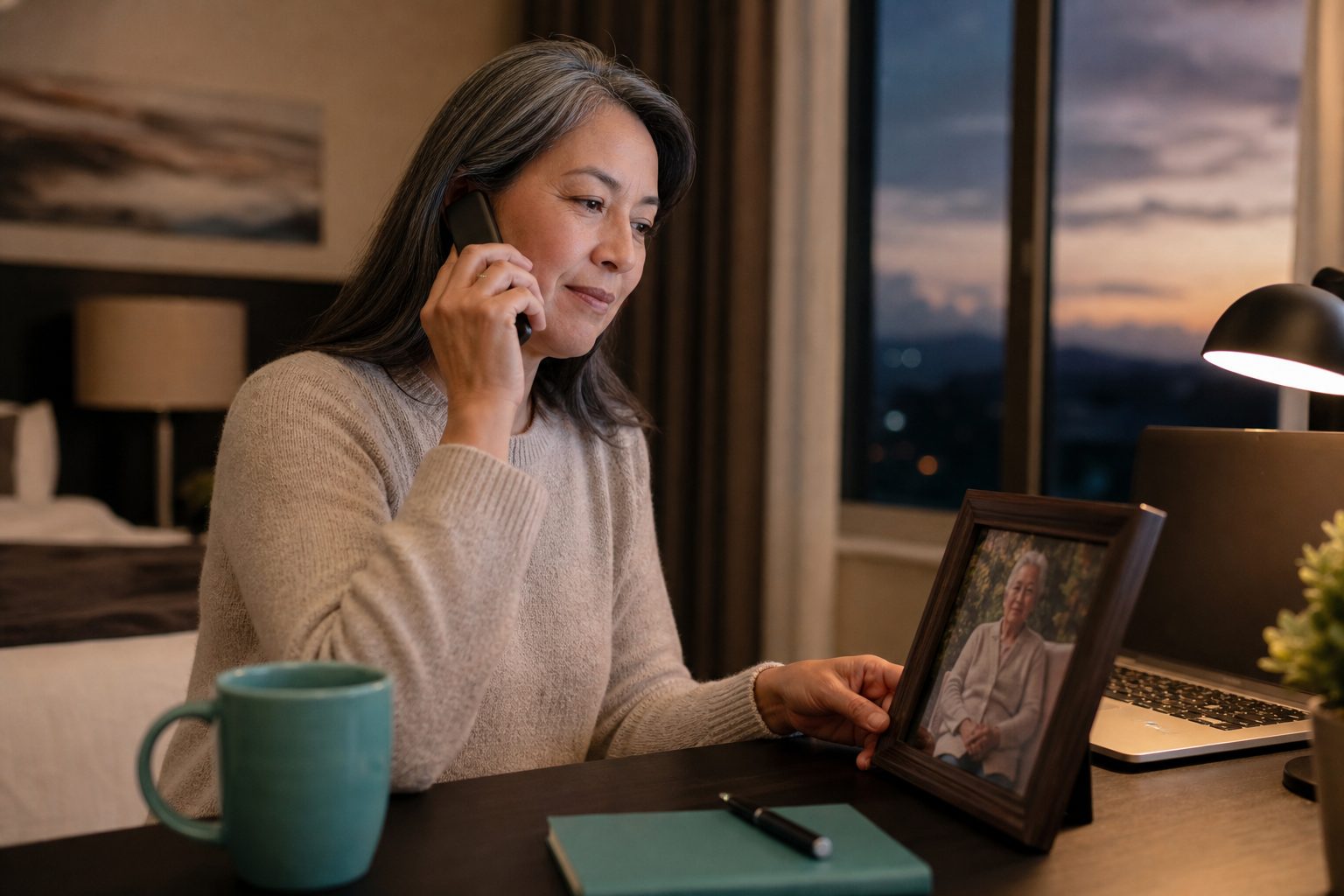


Why isn't my parent answering the phone?
Usually for an ordinary reason. The phone is charging in the bedroom, the ringer was switched off at church, the battery died, or your parent is in the garden, the shower, or the store. Many people also stop answering numbers they do not recognize because of scam calls, so a call from a new number may simply be ignored.
Some phones go further. On an iPhone, a setting called Silence Unknown Callers sends calls from numbers that aren't in the phone's contacts or recent calls straight to voicemail without ringing. If your parent turned it on to stop robocalls, a new doctor's office or a check-in service will never ring through until that number is saved.
What to try in the first hour
Start with the easy steps: wait ten or fifteen minutes and call again, then try a different way in, like a text, a call to their cell if you tried the home phone, or a message to anyone they were planning to see.
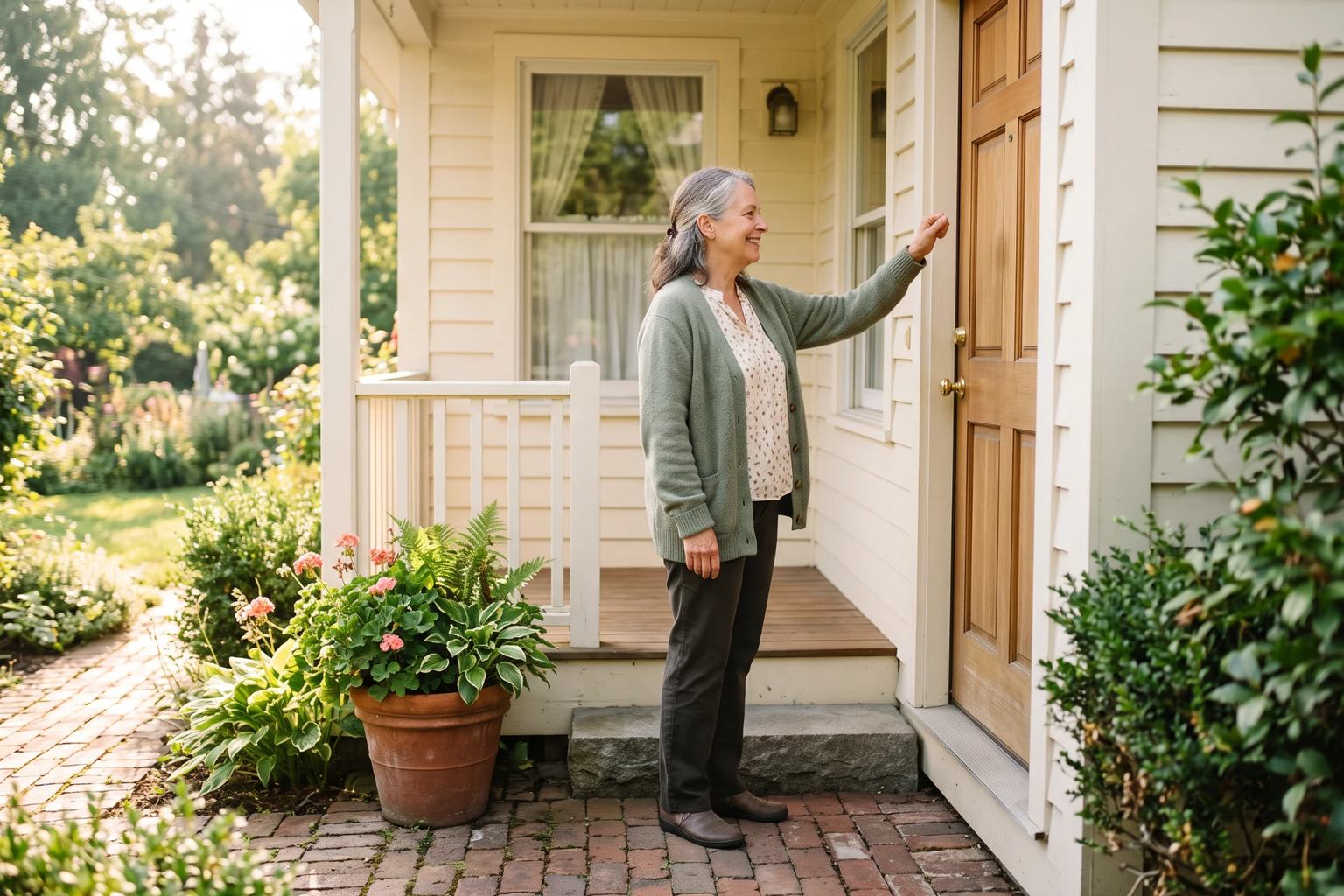
If the second call goes unanswered, reach someone who can see the house. A neighbor, a friend from their building, a nearby relative, or the building manager can knock, check whether the car is there, and look for lights or a newspaper still on the step. A few minutes at the door will tell you more than another round of calls.
Then check what you already know. Did they mention an appointment, a lunch, or a ride somewhere today? A quick call to a friend they see often, or to their regular hair salon or senior center, sometimes ends the search in a minute.
When to ask for a welfare check
Ask for a welfare check when you cannot reach your parent or anyone near them and the silence is out of character: a missed call they always take, no sign of them at the house, or a recent illness. You know their habits best, and checking on someone who turns out fine is routine.
A welfare check means local police or sheriff's deputies visit to make sure someone is okay. You call, give the address and a description, and explain your concerns. Share any health conditions, medications, whether your parent lives alone, and whether a neighbor has a key so officers can get in without forcing the door.
If you're in another state, calling 911 connects you to dispatchers in your area, not your parent's. They can usually transfer you, but it's quicker to call your parent's local police non-emergency number directly. Find it now and save it in your phone under your parent's name.
If you think your parent is in immediate danger, call 911 right away and tell them. Don't wait for the non-emergency line.
How a scheduled check-in call changes this
A scheduled check-in call gives you a clear answer: either your parent answered, or they didn't. Cora calls at the times you choose. If your parent doesn't answer, Cora tries once more a few minutes later. If Cora still can't reach them, you get an alert in the app, by email, or by push notification.
Sometimes the phone is just in another room. The alert is a reason to call your parent yourself or ask a neighbor to knock. Kinse is not 911 and does not send anyone to the house.
After the first call, save the number in their phone as "Cora" so they know who's calling next time. If your parent uses Silence Unknown Callers, calls from a saved number still come through.
Set it up before the next missed call
The hardest part of an unanswered call is figuring out what to do when you're worried. Decide on a plan now, while everyone is calm, and write it down where every family member can find it.
Agree on who calls first, who lives close enough to knock, and how long each person waits before taking the next step. Leave a spare key with a trusted neighbor. Save the neighbor's number, the building manager's number, and the local police non-emergency number in your phone.
Make a short list of your parent's medications, doctors, and emergency contacts and put it on the refrigerator, since responders know to look there. Some communities offer free kits for this, often called Vial of Life or File of Life. Your local Area Agency on Aging can tell you where to get one.
Check your parent's phone as well. Turn up the ringer, make sure the voicemail box isn't full, and save the numbers you want to reach them, including any check-in service, so those calls come through.